The Psychology of Premium: How Luxury Branded Merchandise Signals Employer Value in Competitive Talent Markets
Why High-End Corporate Swag Has Become a Strategic Retention Tool
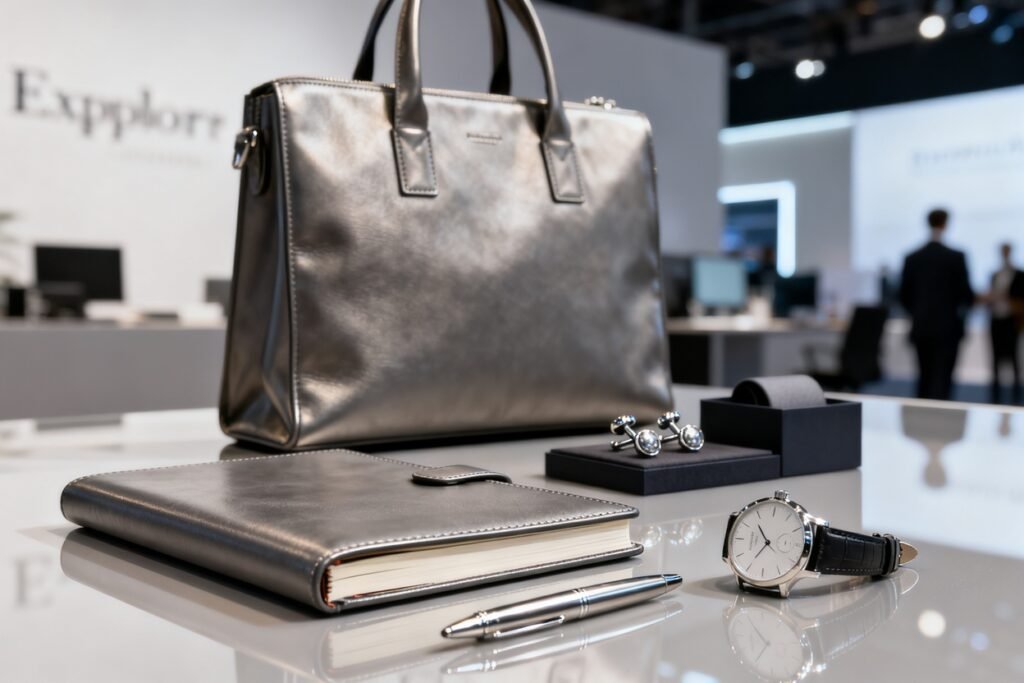
In the war for talent, companies are learning that branded merchandise isn’t just about visibility—it’s about perceived value. When a new hire receives a thoughtfully curated premium welcome kit featuring a Patagonia jacket instead of a standard-issue fleece, the message is clear: this organization invests in its people.
Research from the Advertising Specialty Institute confirms that promotional products with higher perceived value achieve dramatically longer retention in recipients’ lives. A premium backpack might see daily use for three years, while a cheap tote gets discarded within weeks. For HR leaders focused on employer branding, this difference represents a significant ROI gap.
The Signaling Theory Behind Premium Corporate Gifting
Signaling theory, rooted in economics and evolutionary biology, explains why premium corporate swag works. When an organization gifts high-quality branded merchandise, they’re signaling several things simultaneously:
- Financial stability: We have resources to invest in quality
- Employee appreciation: You deserve more than the bare minimum
- Brand alignment: Our external brand promise matches internal reality
- Cultural values: We pay attention to details and craftsmanship
For employees evaluating whether to stay or leave, these signals matter. A 2025 LinkedIn study found that employee onboarding gifts ranked among the top five factors influencing first-year retention, particularly among Gen Z workers who increasingly value tangible expressions of company culture.
The Quality Threshold: When Good Enough Isn’t
There’s a psychological phenomenon known as the