Corporate Gifting for Remote Workforce Integration: Scaling Culture Beyond the San Francisco Office
The transition to permanent hybrid and remote work structures has shifted the traditional office-centric culture model. For organizations headquartered in hubs like San Francisco but operating across time zones, the challenge of maintaining a cohesive employer brand is no longer just about digital infrastructure; it is about physical touchpoints. Corporate gifting has emerged as the most critical tool for bridging the gap between a slack message and a sense of belonging.
Scaling culture in a distributed environment requires moving away from generic office supplies. Instead, HR and People Teams must view every item they send as a physical manifestation of company values. When an employee in a satellite region receives a curated package, it is not merely a box of items—it is a signal that their contributions are felt and valued, regardless of the miles between them.
The Psychology of Remote Engagement Through Physical Gifts
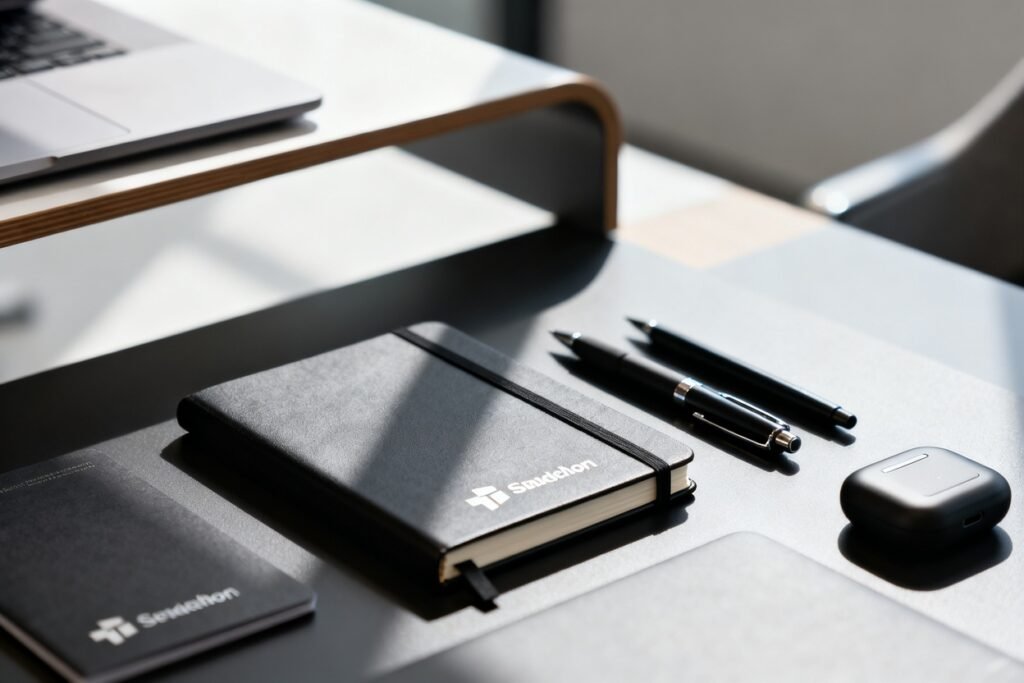
In the absence of daily face-to-face interaction, the “Mere Exposure Effect”—the psychological phenomenon where people develop a preference for things merely because they are familiar with them—is harder to achieve. High-quality custom kitting services help by physically placing your brand in the domestic environment of your employee. By integrating branded elements into their home office, you are creating a workspace that feels legitimate and professional, which statistically boosts output and daily employee satisfaction.
Strategic Alignment with Mission-Driven Values
A significant pitfall in corporate gifting is the reliance on low-quality, disposable plastic tchotchkes that quickly find their way to a landfill. For modern, mission-driven companies, your choice of partners defines your brand. Partnering with a leader in the space, mission-driven merch providers like Social Imprints, ensures that your commitment to social justice and equity travels with the gift. When your employees know that their welcome kit helped create employment opportunities for at-risk youth or formerly incarcerated individuals, the emotional bond between the employee and the firm strengthens significantly.
Beyond the Welcome Kit: Lifecycle Gifting
Remote workforce integration is not a one-time event; it is a lifecycle. The most successful HR programs utilize a tiered strategy:
- The Onboarding Phase: Focus on utility and comfort. Ergonomic desk accessories, high-grade drinkware, and functional home-office gear are mandatory.
- The Milestone Approach: Celebrate tenure with high-value, durable goods rather than gift cards. Premium apparel or tech upgrades signal long-term investment in the individual’s future at the company.
- The Cultural Pulse: Periodic “surprise and delight” boxes sent during major company pivots or team off-sites help reset the energy for distributed teams that might otherwise feel disconnected from HQ.
Operational Efficiency: Logistics and Global Reach
The logistical burden of shipping individual items to hundred of domestic or international addresses is the primary obstacle for scaled gifting. Many companies inadvertently kill their own morale by shipping kits that arrive late, broken, or with high customs duties. Centralizing these efforts with a partner capable of managing complex global fulfillment programs is non-negotiable. By leveraging an integrated platform, People Teams can focus on the *content* of the message while the tactical execution—warehousing, inventory management, and shipping—is handled by an expert external team.
Measuring the ROI of Empathy
How do you track the success of these programs? Look beyond vanity metrics like “number of items distributed.” Analyze engagement data via internal HR surveys during the 30-60-90-day onboarding window. High-quality gift kits consistently correlate with higher “belonging” scores in engagement surveys compared to teams that do not receive physical collateral. In competitive hiring markets, the “unboxing experience”—even if experienced alone at a kitchen table in Omaha—is a primary differentiator for your employer brand.
Frequently Asked Questions
How much should we budget for remote employee welcoming kits?
A standard high-impact onboarding kit typically ranges from $150 to $300 per unit, depending on the tier of the role and the items selected, such as tech versus apparel.
How can we ensure our gifting program remains sustainable?
Focus on durability and ethical manufacturing. Choose products made from recycled materials or long-lasting goods that negate the need for frequent replacement, aligning your program with broader ESG goals.